Is Your Child Ready for School?
Starting school is a big milestone, but school readiness is about much more than knowing letters and numbers.
The Learn & Bloom Co. Ready for School Program helps parents confidently support their child's social, emotional, physical and learning development at home, so they can start school feeling capable, confident and ready to thrive.
Designed by an early childhood teacher with over 10 years of experience working with 4–5 year-olds, this program provides practical, play-based strategies that fit naturally into everyday family life.
Program Dates
Term 3
13 July – 24 August
Term 4
5 October – 30 November
Enjoy ongoing access to all released program modules until July 2027, giving you support through the entire preparation period and right into your child’s first few months of school. Your Parent Guide Book is yours to keep forever as a practical reference to support your child’s transition to school and beyond.
⭐️ More Than a Program: A Complete Parent Support System ⭐️
Each module includes a comprehensive Parent Guide designed to help you confidently support your child’s learning and development at home. Inside, you’ll find clear explanations, practical strategies, and easy-to-follow guidance that show you exactly how to build school readiness skills through everyday routines, play, and connection.
Alongside this, you’ll receive guided between-module practice so you always know exactly what to focus on for the fortnight between modules. This includes reflection and observation tools, progress checklists, engaging challenges, play-based home learning activities, educational games, conversation starters, developmental focus areas, mindset reminders, and practical coaching tips, giving you complete clarity on what to do at home, how to support your child, and how to confidently recognise and build on their progress before moving into the next stage.
🌼 What's Inside the Program 🌼
Term 3
Module 1: Understanding School Readiness
If you’ve been wondering whether your child knows “enough” before starting school, you are not alone. This module helps you shift away from comparison and academic pressure, and toward what truly supports a confident start to school.
In this module, you’ll explore:
-
What school readiness actually means (and what it doesn’t)
-
Why academic skills are only a small part of the picture
-
The key social, emotional, and practical skills teachers really look for
-
Common myths about being “ahead” or “behind” before school starts
-
What Prep/Foundation classrooms are actually like in the first few weeks
You’ll learn:
-
Why your child does not need to be reading, writing, or academically advanced to start school successfully
-
How emotional security and confidence directly support learning
-
What teachers are observing in the early weeks of school (and it’s not perfection)
-
How to see your child’s readiness through a calmer, more realistic lens
You’ll also discover:
-
How everyday play and routines build real school readiness skills
-
Simple ways to support independence without pressure or overwhelm
-
How to step back from “doing too much” while still supporting growth
Key takeaway:
School readiness is not about creating a “perfect” child before school starts.
It’s about helping your child feel:
-
safe
-
capable
-
confident
-
ready to learn
Confidence + emotional security = the foundation for learning
Module 2: Social and Emotional Readiness
If you’ve ever worried about drop-offs, tears, anxiety, or whether your child will cope without you, this module will help you understand what’s really going on underneath those big emotions and how to respond in ways that build safety, trust, and resilience over time.
In this module, you’ll explore:
-
What emotional readiness actually looks like in 4–5 year-olds
-
Why separation anxiety often increases before school starts
-
The difference between behaviour and emotional communication
-
What co-regulation is (and why children need it first)
-
Why some common drop-off strategies can unintentionally increase anxiety
-
How emotional development and resilience are built in early childhood
You’ll learn:
-
Why separation anxiety is a normal nervous system response - not misbehaviour
-
How children communicate overwhelm through behaviour
-
What children actually need from you during emotional moments
-
How calm, predictable adult responses shape emotional security
-
Why resilience is built through small, supported challenges over time
You’ll also discover:
-
Simple, effective language to use during drop-offs and emotional moments
-
How to support separation
-
How to help children name emotions and why this is important
-
How everyday moments build emotional strength and independence
-
The “3 R’s of Emotional Readiness”:
-
Routines – creating predictability and safety
-
Reassurance – calm, consistent messaging
-
Repetition – building security through experience over time
-
Key takeaway:
Emotional readiness is not about children never struggling.
It’s about helping them feel safe enough to move through big feelings with support.
Your child doesn’t need to feel calm all the time, they need to feel safe while they learn how to cope.
Module 3: Independence & Life Skills
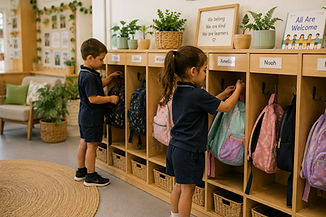
While academic skills often get the attention, children spend much of their school day managing practical routines — from opening lunchboxes to following instructions and transitioning between activities. This module shows you how to build these skills in simple, natural ways at home.
In this module, you’ll explore:
-
Why independence is one of the strongest predictors of school confidence
-
The everyday tasks children are expected to manage at school
-
Toileting, self-care, lunchboxes, and belongings
-
Why following instructions and managing transitions can be challenging for young children
-
Routines and consistency supporting independence
You’ll learn:
-
Why doing less for your child can actually build more confidence
-
Reducing anxiety in new environments
-
What school expectations look like in practical, everyday terms
-
How to break tasks down so children can succeed step by step
-
What children need to build independence
You’ll also discover:
-
Practical toileting and self-care readiness skills (and how to support them at home)
-
Simple activities to practice before school
-
How to support your child to follow instructions without overwhelm
-
Easy everyday activities that strengthen listening, sequencing, and attention skills
-
How to support smoother transitions using predictable routines and gentle cues
Key takeaway:
Independence is not about children doing everything perfectly or alone.
It’s about giving them repeated opportunities to practise everyday skills so they can feel capable and confident in their environment.
Every small skill becomes a building block of confidence.
Module 4: Learning Through Play
While it can sometimes feel like learning needs to look structured or academic to “count,” this module shows you why play is actually where the most important early learning happens. Through play, children build the skills that support confidence, curiosity, problem-solving, and a lifelong love of learning.
In this module, you’ll explore:
-
Why play is the foundation of all early learning
-
How fine motor skills develop through hands-on, playful experiences
-
The difference between developmentally appropriate learning and early pressure
-
How literacy and numeracy foundations begin long before formal schooling
-
Why learning through play supports confidence, creativity, and resilience
-
How to support early learning at home without worksheets or pressure
You’ll learn:
-
How handwriting readiness begins - not with worksheets!
-
How play builds the key physical skills needed for writing
-
Everyday ways to support language, vocabulary, and early literacy skills
-
How everyday experiences naturally build early numeracy skills
-
Why pressure can reduce confidence and learning engagement
-
How children develop best when learning feels safe, playful, and meaningful
You’ll also discover:
-
Simple play-based activities that build fine motor strength and coordination
-
How maths concepts already exist in daily routines (and how to notice them)
-
Why repetition, conversation, and shared play are more powerful than formal lessons
-
How to support learning at home in a calm, low-pressure way
-
The difference between “doing school work early” and true readiness
Key takeaway:
Play is not separate from learning, it is learning.
Children don’t need more pressure. They need more opportunities to feel capable through play.
Term 4
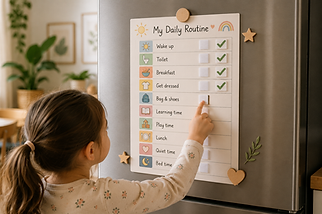
Module 1: School Routines & Expectations
As school approaches, many parents start to feel a mix of excitement, pressure, and uncertainty. This module is designed to ease that feeling by helping you understand the everyday routines your child will navigate, and how to support them in feeling calm, confident, and prepared.
In this module, you’ll explore:
-
What a typical school day actually looks like for a young child
-
The number of routines, transitions, and expectations children manage daily
-
The most important factor in school readiness
-
How predictability supports emotional safety and confidence
-
The importance of preparing for structure
You’ll learn:
-
Why school is more about routines than academics in the early weeks
-
The importance of predictable environments
-
Why familiarity helps children transition more smoothly into school
-
What children need to feel secure in new learning environments
-
The power of repetition
You’ll also discover:
-
How to gently introduce school-style routines at home
-
Simple ways to support morning routines, transitions, and shared tasks
-
How to build independence through everyday preparation
-
The importance of small, consistent routines
-
How to support listening, transitions, and group-style learning experiences at home
Key takeaway:
Prepared doesn’t mean perfect, it means familiar.
Confidence grows through repetition, predictability, and gentle exposure to routines.
Module 2: Social Skills & Confidence
Social confidence doesn’t develop overnight. It grows gradually through experience, support, and repeated opportunities to practise interacting with others in safe and familiar ways.
In this module, you’ll explore:
-
What friendship development really looks like in the early years
-
Why social skills are still emerging at this age
-
How children learn to communicate their needs and emotions
-
What group participation actually requires of young children
-
The role of confidence, personality, and temperament in social development
-
How adult support shapes early social experiences
You’ll learn:
-
Why children don’t need lots of friends to settle into school successfully
-
How social confidence develops through practice, not personality
-
What helps children join play, take turns, and manage social challenges
-
Why communication skills are essential for school independence
-
How group settings require learning over time, not instant mastery
You’ll also discover:
-
How to support your child to express needs, ask questions, and seek help
-
Simple language children can use in social and classroom situations
-
Why “confidence” is key for your child to communicate
-
How to support early problem-solving and peer interactions
-
Ways to build confidence without stepping in too quickly or rescuing
Key takeaway:
Social confidence is not something children either have or don’t have, it develops gradually through supported experiences.
Confidence grows when children feel safe enough to try, communicate, and keep going after social challenges.
Module 3: Managing Big Emotions
As children become more aware of the upcoming transition, it’s common to see changes in behaviour, even in children who were previously confident or independent. This module helps you understand what’s happening beneath the behaviour and how to support your child with calm, connection, and confidence.
In this module, you’ll explore:
-
Why big emotions often increase before major transitions
-
How children communicate anxiety, overwhelm, and uncertainty through behaviour
-
What emotional readiness actually looks like in young children
-
How separation, change, and unpredictability impact emotional responses
-
The difference between behaviour and emotional communication
You’ll learn:
-
Why emotional reactions are a normal part of preparing for school
-
How to support emotions without trying to “remove” them
-
What helps children feel safe, heard, and emotionally secure
-
How your calm presence shapes your child’s ability to regulate
-
Why emotional development cannot be rushed, but can be supported
You’ll also discover:
-
How to respond to big emotions with calm, connected language
-
Why connection comes before correction in emotional moments
-
How to approach separation and drop-offs with confidence and predictability
-
Why after-school meltdowns are often emotional release, not misbehaviour
-
Simple strategies to support regulation, transitions, and emotional safety
Key takeaway:
Big emotions are not a sign your child isn’t ready, they are often a sign they understand change is coming.
A child can experience big feelings and still be completely ready for school.
Module 4: Preparing for a Confident Start to School
At this stage, many parents begin to question whether they’ve done enough or whether their child is truly ready. This module is designed to help you release that pressure, trust your child’s development, and step into this next chapter with calm confidence.
In this module, you’ll explore:
-
Why school readiness is not a fixed endpoint or checklist
-
What it really means for children to be “ready enough” for school
-
How to recognise and release unnecessary school readiness pressure
-
The role of parent mindset in the transition process
-
Why growth continues long after the first day of school
-
How connection underpins all areas of learning and development
You’ll learn:
-
Why children do not need to master every skill before starting school
-
How to support independence
-
Why struggle is a normal and valuable part of learning
-
How to balance support with space for growth and problem-solving
-
How your emotional response influences your child’s confidence
You’ll also discover:
-
What to stop worrying about as school approaches
-
How to step back while still staying emotionally available
-
Why parent emotions are a normal part of the transition process too
-
How to support your child without transferring anxiety or pressure
-
How to create calm, confident conversations around school
-
The importance of trust - in your child, educators, and the process
Key takeaway:
School readiness is not about perfection, it's about readiness to continue growing.
Children do not need to arrive fully formed, they need to arrive supported, safe, and believed in.
BONUS MODULE: Creating a School-Ready Home Environment 🌿
Practical setup, routines, experiences, and everyday habits that support school readiness
School readiness isn’t just built through teaching, it’s shaped by the environment children live in every day.
In this section, we explore how your home, routines, resources, and everyday experiences can naturally support your child’s independence, confidence, communication, and emotional readiness for school.
You’ll learn how simple, practical shifts can help your child:
-
build independence through everyday routines and responsibilities
-
become familiar with school-style expectations at home
-
strengthen communication and language through daily conversation
-
develop confidence through real-world experiences
-
build positive attitudes toward learning through everyday life
-
feel more prepared for the structure and rhythm of school
We also explore the importance of play, rest, and unstructured time, as well as how outside experiences like community spaces, libraries, and group activities support social confidence.
This isn’t about creating a perfect home.
It’s about creating a supportive one: where learning, independence, and confidence grow naturally through everyday life.
Because when home feels steady, predictable, and supportive… school feels much easier to step into.
Program available 13th July, 2026